Volkswagen Tiguan R-Line Price: Full Cost Guide, Features & Value

The Volkswagen Tiguan R-Line blends upscale design and solid performance with the practicality of a compact SUV. It attracts those who want a versatile vehicle with a more refined edge. The 2025 Volkswagen Tiguan SEL R-Line 4MOTION starts around $41,000 in the U.S., offering premium features and distinctive styling that set it apart from lower trims.
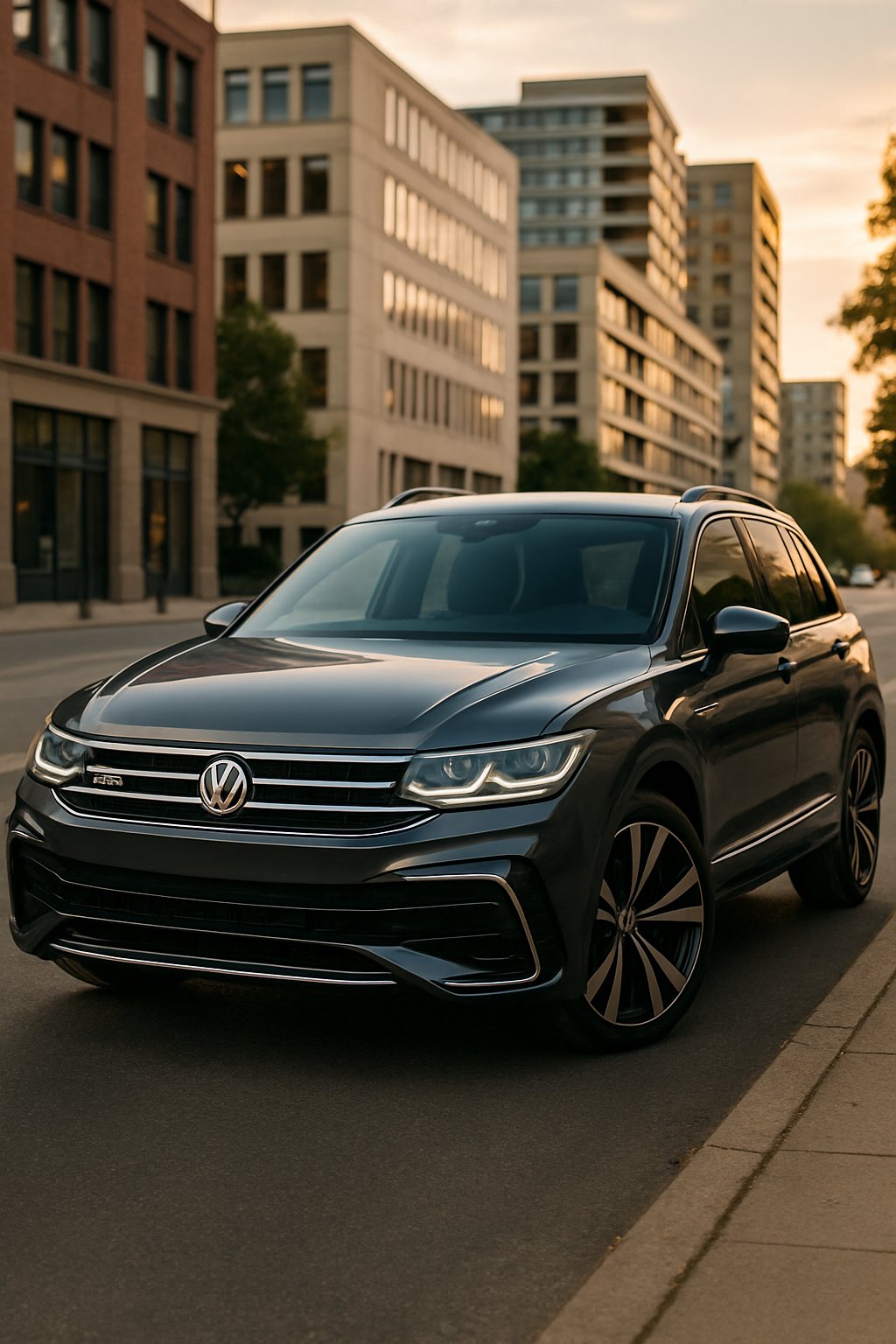
This model delivers a balance between everyday comfort and sporty appearance. With upgraded interior finishes, advanced safety systems, and all-wheel drive, it caters to both city driving and weekend trips. Its 2.0-liter turbocharged engine provides confident power while maintaining respectable fuel efficiency.
In this article, the focus moves from pricing and ownership costs to performance, design, comfort, and technology. The goal is to help shoppers understand what makes the Tiguan R-Line a competitive choice and how its value holds up over time.
Volkswagen Tiguan R-Line Pricing Overview
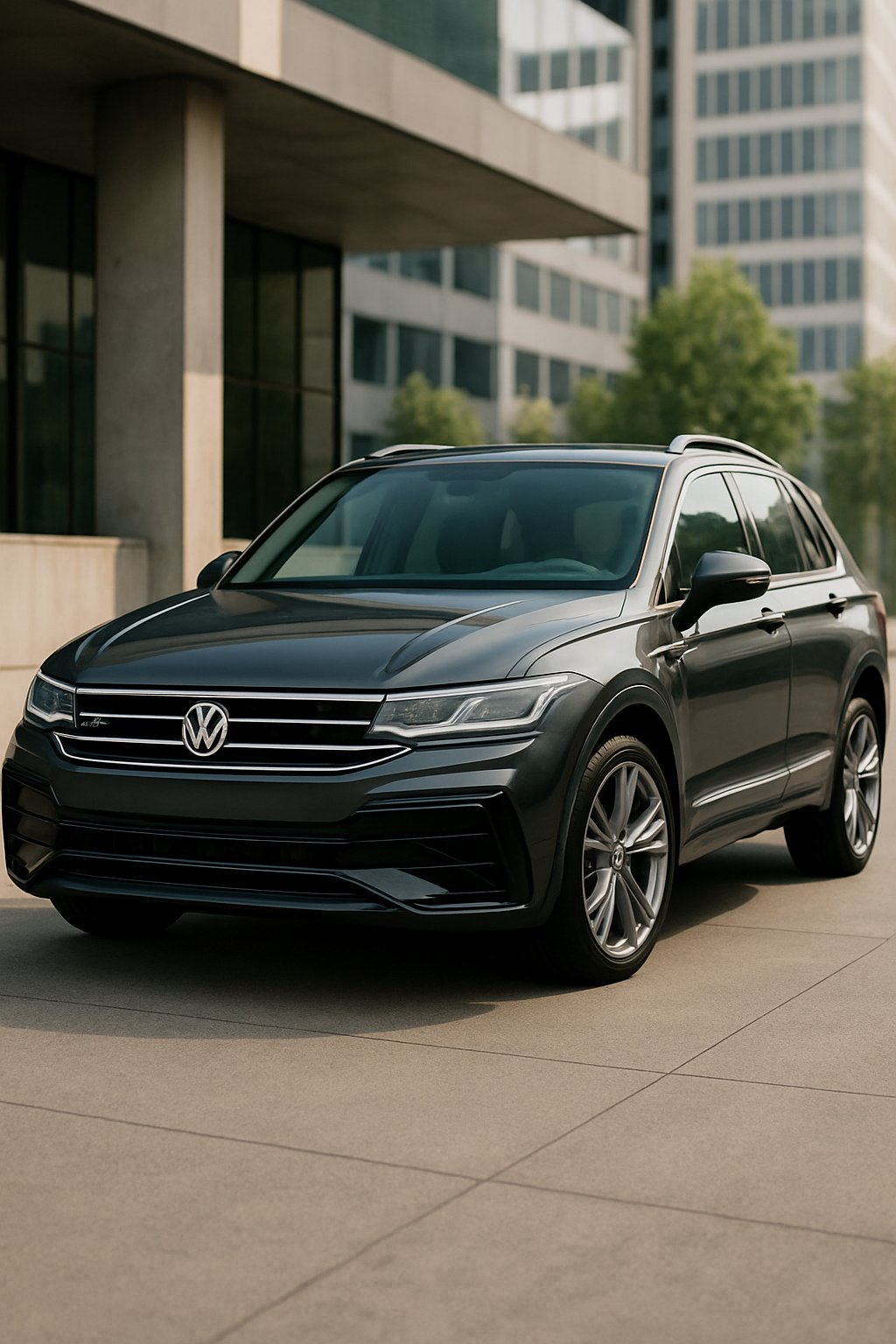
The Volkswagen Tiguan R-Line sits at the top of the Tiguan lineup, offering a balance of premium styling, advanced technology, and added performance elements. Pricing varies by model, drivetrain, and market but typically sits above standard trims due to its exclusive features and design upgrades.
Current Price Range and Variants
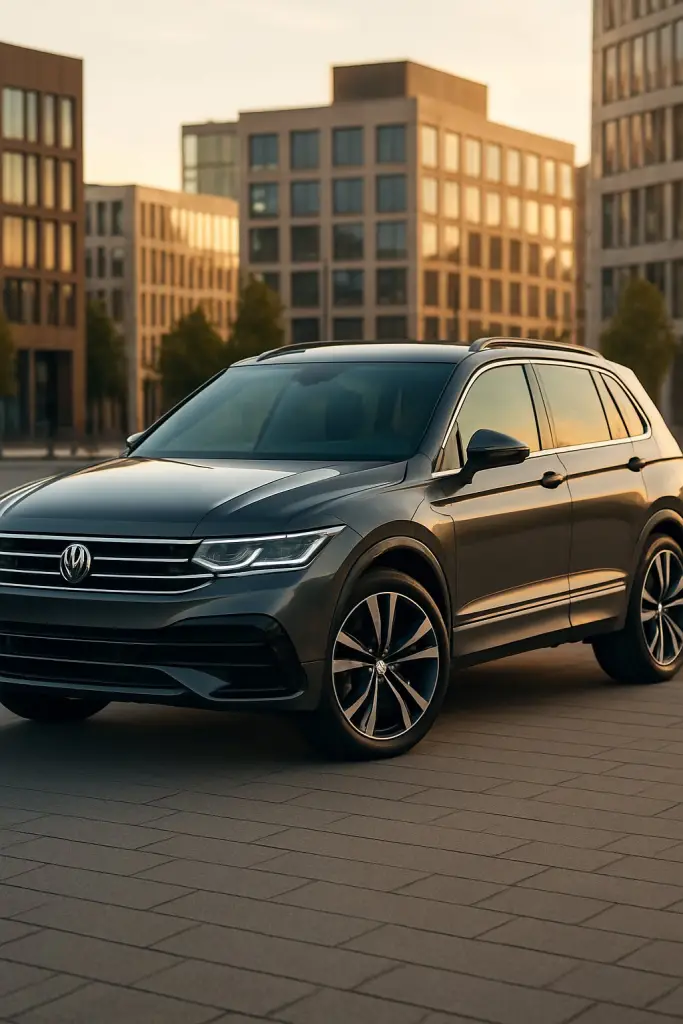
In the United States, the 2025 Volkswagen Tiguan lineup ranges from about $29,495 for the base S trim to over $41,900 for the top SEL R-Line 4MOTION. The SE R-Line Black trim falls between these points, typically priced near $38,000–$40,000, depending on options and location.
The R-Line models include distinctive cosmetic updates such as sport bumpers, black accenting, and larger alloy wheels. The SEL R-Line 4MOTION also includes all-wheel drive, a power panoramic sunroof, and the latest Volkswagen Digital Cockpit. These features push the R-Line’s price higher than comparably equipped non-R-Line variants but add luxury details that appeal to many buyers seeking both function and design.
KBB.com Fair Purchase Price Insights
According to KBB.com, the Fair Purchase Price tool estimates the real-world transaction prices paid by consumers in local markets. For the Tiguan R-Line, the KBB Fair Purchase Price often trends slightly below MSRP due to dealer incentives and seasonal offers, though differences vary by region.
For example, the 2025 Tiguan SEL R-Line 4MOTION typically shows a fair market range between $40,000 and $42,000, reflecting the going rate depending on demand and inventory. Buyers using KBB’s data can see if a dealer price aligns with current market averages before negotiating. Compared with earlier Tiguan models, the current R-Line retains solid value over time because of its enhanced features and Volkswagen’s continuing focus on build quality and design refinement.
Global Price Differences
The Tiguan R-Line’s pricing varies significantly worldwide. In Europe, local taxes, emissions-based fees, and equipment specifications can raise the cost compared to the U.S. market. A well-equipped Tiguan R-Line in Germany may start near €44,000, while in the United Kingdom, the price can approach £40,000, depending on the drivetrain and selected options.
In Canada, pricing starts slightly higher than in the U.S. due to import costs and currency conversion, often between CAD 46,000–52,000. Markets in Asia-Pacific may offer the R-Line as a locally assembled model at a lower entry cost. These differences highlight how import duties and certification standards influence the final retail price rather than differences in equipment levels.
Price Comparison With Competitors
When compared with other compact SUVs, the Volkswagen Tiguan R-Line sits in the mid- to upper range of the segment. Competing models include the Mazda CX-5 Turbo, Honda CR-V Touring, and Toyota RAV4 Prime SE. The Tiguan R-Line’s approximate price of $39,000–$42,000 positions it slightly above the average for these mainstream vehicles but below luxury entries like the Audi Q5 or BMW X3.
The R-Line’s pricing reflects a focus on premium features rather than purely performance upgrades. Buyers pay more for materials quality, upscale design, and advanced driver-assist systems. For those prioritizing a refined interior and European styling over raw horsepower, the Tiguan R-Line’s cost remains competitive against both higher mainstream and entry-luxury rivals.
Ownership Costs and Value Retention
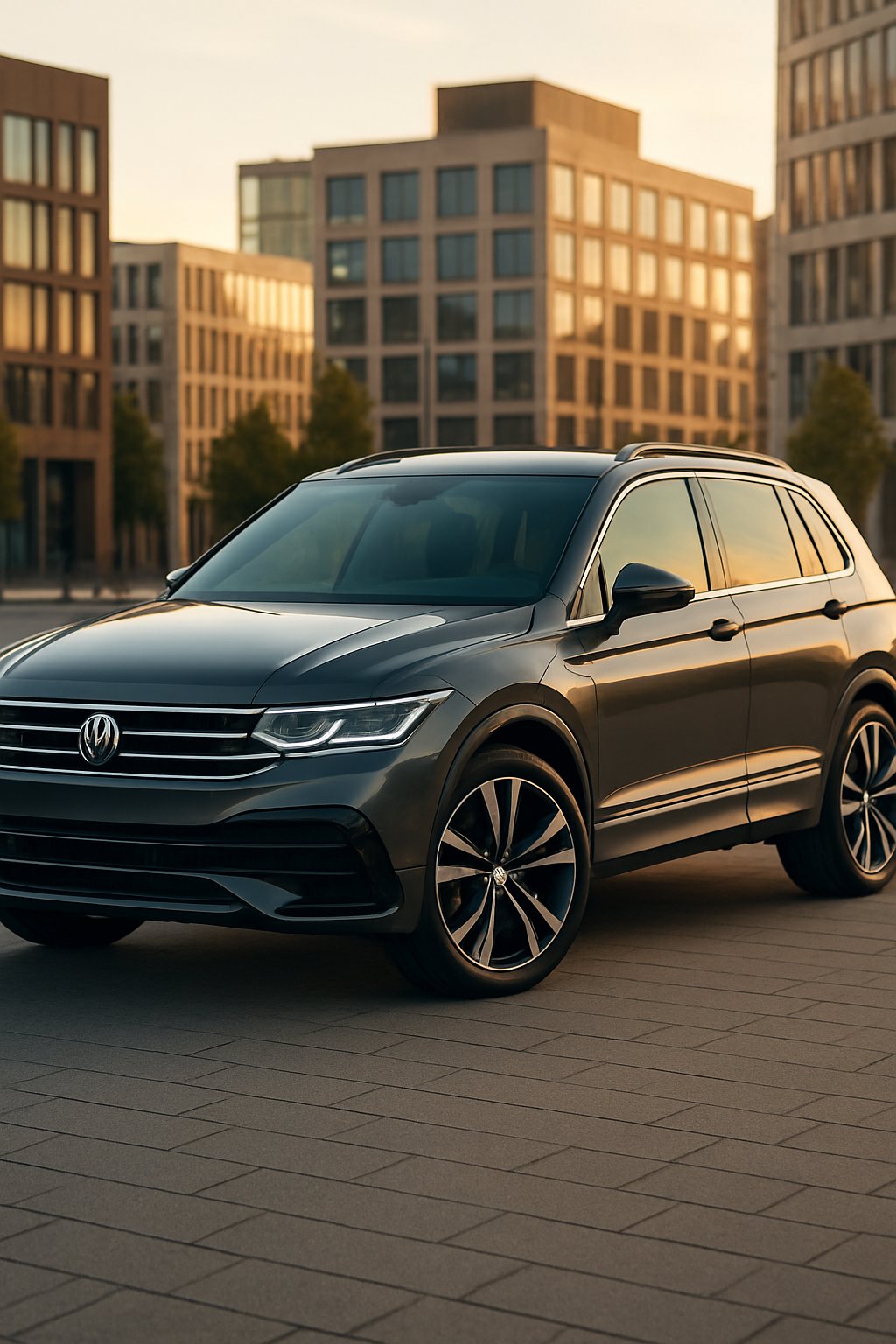
Owning a Volkswagen Tiguan R-Line involves more than the initial purchase price. Buyers should consider the 5-year cost to own, projected depreciation, and out-of-pocket costs such as maintenance, insurance, and fuel. These factors help determine the SUV’s overall value during ownership.
Five-Year Cost to Own Analysis
The 5-year cost to own a 2025 Volkswagen Tiguan R-Line includes all major expenses a driver faces. This covers depreciation, taxes, financing, fuel, insurance, maintenance, and repairs. According to data from trusted automotive sources, the overall cost aligns closely with the compact SUV class average.
Depreciation and fuel consumption make up the largest share of ownership expenses. Over five years, Tiguan R-Line owners can expect respectable fuel economy for its segment, helping offset higher insurance premiums. Estimated insurance costs reach about $2,000 per year, totaling approximately $10,000 across five years.
Maintenance and repair costs remain moderate. Volkswagen’s warranty coverage reduces the risk of large repair bills early in ownership, lowering initial upkeep expenses. The R-Line trim adds some premium features, but its mechanical components remain similar to standard trims, helping maintain predictable service costs.
Depreciation and Resale Value
Depreciation affects the Tiguan R-Line’s long-term financial value. On average, the Tiguan loses about 48% of its value after five years. For a model starting around $37,500, the 5-year resale value typically falls near $19,000.
That rate is similar to other compact SUVs with strong brand reputations. Owners who keep their vehicles in good condition or drive fewer miles may retain more value at resale. Real-world reports from owners show that Tiguan R-Line models with full service records and clean interiors often sell quickly on the used market.
Buyers should also note that the R-Line’s styling and higher equipment level can improve desirability among used buyers. While depreciation is unavoidable, the Tiguan’s brand reliability and solid build quality contribute to steady resale performance over time.
Out-of-Pocket Expenses Breakdown
Out-of-pocket expenses include fuel, maintenance, repairs, and insurance—costs paid directly by the owner outside of loan payments or depreciation. Drivers typically spend the most on fuel and insurance, followed by routine maintenance.
| Expense Type | 5-Year Estimate (Approx.) | Notes |
|---|---|---|
| Fuel | $9,000–$10,000 | Based on average annual mileage |
| Insurance | $10,000 | Full coverage, good record |
| Maintenance & Repairs | $4,000–$5,000 | Varies with use and location |
Volkswagen’s maintenance schedule helps manage costs with predictable service intervals. Parts and labor remain widely available, keeping repair prices within the expected range for a compact European SUV.
Factoring all out-of-pocket expenses together, typical owners should plan for about $23,000–$25,000 in direct costs over five years, not including depreciation. These figures give buyers a realistic view of what it takes to keep the Tiguan R-Line running efficiently throughout ownership.
Key Performance and Mechanical Features
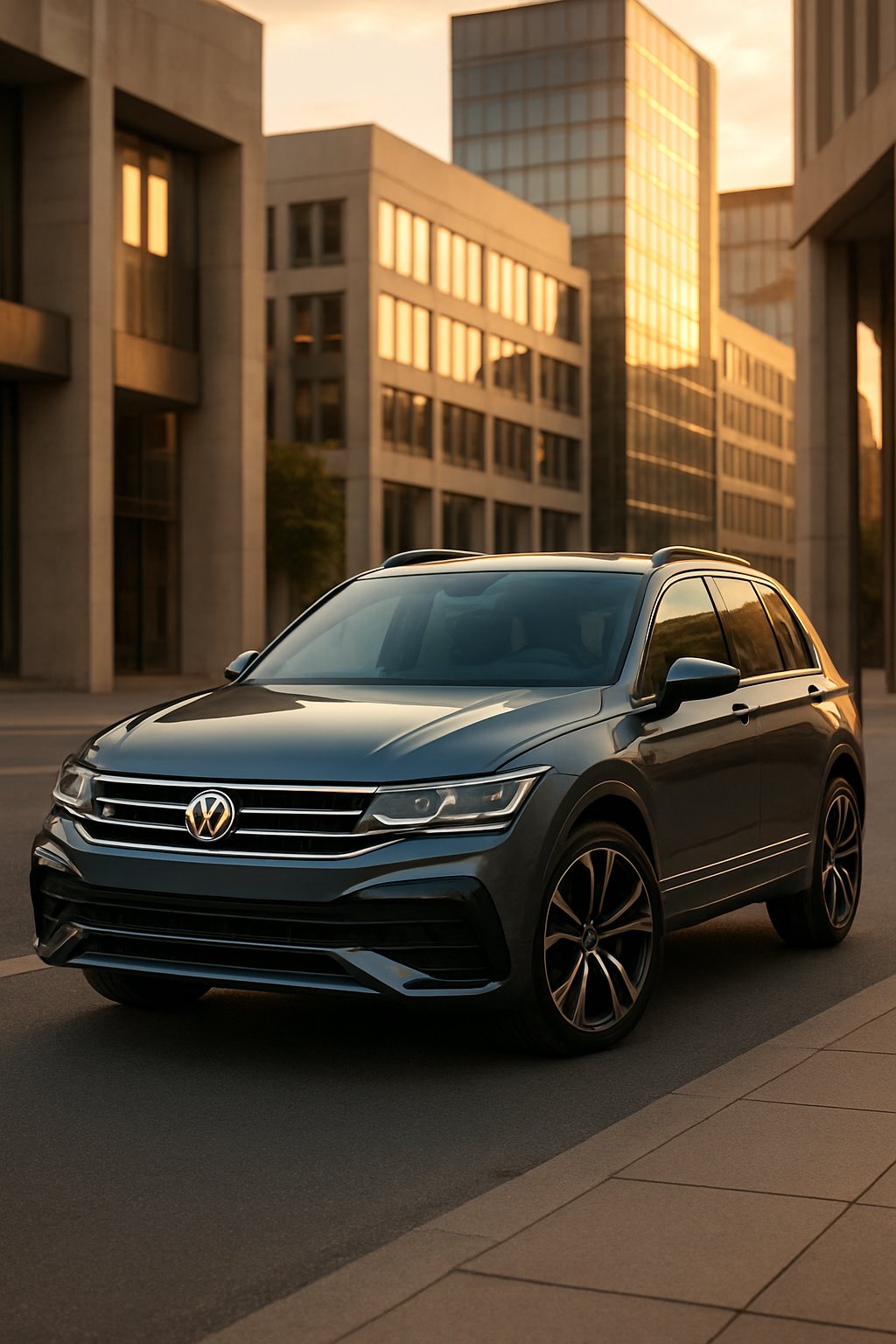
The 2025 Volkswagen Tiguan R-Line blends sporty power with practical efficiency. It delivers balanced performance through turbocharged engines, smooth automatic transmission, and responsive all-wheel drive handling. Drivers get reliable fuel use, strong towing support, and advanced torque distribution for everyday driving and light adventure use.
Engine Specifications and Drivetrain
The new Tiguan R-Line uses 2.0-liter turbocharged four-cylinder engines available in two outputs. The 150TSI version produces around 150 kW (201 hp) and 320 Nm of torque, while the 195TSI model boosts that to 195 kW (261 hp) and 400 Nm. Both pair with a seven-speed dual-clutch automatic transmission (DSG) for quick shifts and responsive acceleration.
The R-Line trim focuses on smooth power delivery and balanced handling. Turbocharging improves low-end torque, making city driving and highway merging easier. Drivers benefit from well-controlled steering through Volkswagen’s progressive steering system.
Drivetrain layout:
| Version | Power Output | Torque | Gearbox | Drive Type |
|---|---|---|---|---|
| 150TSI | 150 kW / 201 hp | 320 Nm | 7‑speed dual‑clutch | 4MOTION AWD |
| 195TSI | 195 kW / 261 hp | 400 Nm | 7‑speed dual‑clutch | 4MOTION AWD |
Fuel Economy and Capacity
Fuel use in the Tiguan R-Line depends on the chosen engine. The 150TSI model averages about 7.6 L/100 km (31 mpg combined), while the 195TSI version tends to run slightly higher due to its added power. Both engines require premium unleaded gasoline for best performance.
The fuel tank capacity is about 58 liters (15.3 gallons), offering a comfortable driving range before refueling. This makes it efficient for daily commuting or long weekend trips. Drivers can monitor consumption through the digital instrument cluster that provides real-time fuel economy data.
In practical terms, the R-Line delivers a balance between strong output and reasonable efficiency for a compact SUV in its class. Volkswagen’s turbo technology helps achieve power without excessive fuel demand.
All-Wheel Drive and 4MOTION
Every Tiguan R-Line includes Volkswagen’s 4MOTION all-wheel-drive system, which automatically allocates power between the front and rear wheels. It improves traction on wet, icy, or uneven roads.
Sensors monitor wheel slip and adjust torque within milliseconds to maintain stability. The system also supports variable drive modes that adjust throttle response and shifting patterns for different surfaces, including snow, off-road, and sport settings.
When combined with adaptive chassis control, drivers gain a firmer, more confident ride without losing comfort. The 4MOTION design also improves cornering grip, making the Tiguan feel secure under acceleration or when towing a trailer.
Towing and Payload Capabilities
The Tiguan R-Line’s structure and drivetrain allow it to handle light and moderate towing duties. Depending on the configuration, it can tow up to 2,200 kg (4,850 lb) with a braked trailer when equipped properly.
The turbocharged torque delivery ensures steady pulling power, while the dual-clutch automatic transmission manages load shifts smoothly. Trailer stability assist features help keep the vehicle stable when hauling larger items.
Inside, payload capacity supports passengers and cargo comfortably, maintaining balance and control even when fully loaded. Although it’s a compact SUV, the R-Line trim demonstrates solid strength for its size, making it practical for small boats, campers, or utility trailers.
Design, Dimensions and Comfort
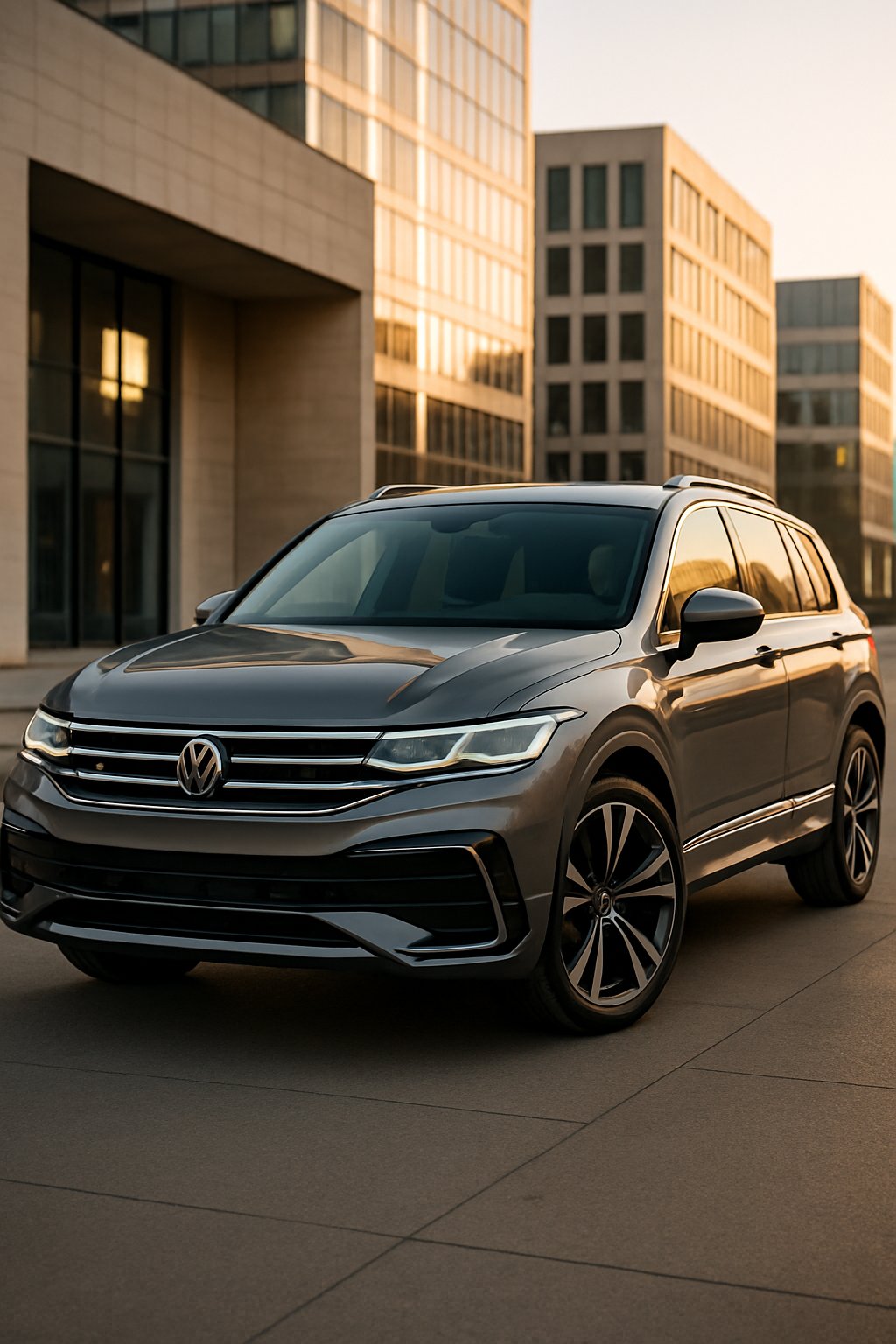
The 2025 Volkswagen Tiguan R-Line blends modern styling with everyday practicality. Its design emphasizes balanced proportions, a roomy cabin, and functional comfort features suited for families and commuters alike.
Interior Space and Seating Capacity
Inside, the Tiguan R-Line offers a flexible cabin that seats up to seven passengers in some configurations. The seats use premium materials such as genuine leather upholstery with contrast stitching and optional massaging functions for the driver and front passenger. Both rows provide solid support and visibility, making long trips more comfortable.
Front occupants get an estimated headroom of about 39–40 inches and legroom near 40 inches, offering ample space for drivers of different heights. In the second row, the sliding and reclining bench seat allows passengers to adjust for comfort or make more room for cargo.
Storage pockets, large cup holders, and wide door bins make the cabin practical for daily use. The third-row option is best suited for children or short trips but adds flexibility when needed.
Ground Clearance and Exterior Dimensions
The Tiguan R-Line carries a confident stance typical of a compact SUV, with a wheelbase around 106.5 inches and overall length close to 185 inches. Its ground clearance is roughly 7.6 inches, striking a balance between comfortable road handling and light off-road capability.
This trim comes with R-Line body styling, adding sportier bumpers, side sills, and unique alloy wheels. The design maintains aerodynamic efficiency while giving the SUV a more athletic profile. The turning diameter of about 37.5 feet allows easier maneuvering in parking lots and city streets.
The curb weight ranges from about 3,800 to 4,100 pounds, depending on equipment, while the gross vehicle weight rating (GVWR) reaches roughly 5,300 pounds, supporting a solid payload capacity and stable performance under load.
Cargo and Storage Options
The Tiguan R-Line maximizes space efficiency for daily driving and travel. With all seats up, it provides roughly 12 cubic feet of cargo space, expanding to 65 cubic feet when the rear rows are folded. The 40/20/40 split-folding seats enable varied cargo and passenger combinations.
A power liftgate with adjustable height simplifies loading in tight garages. Flat-folding seatbacks and a low cargo floor make bulky items easier to manage. Hidden underfloor storage helps organize small items out of sight.
Extra convenience features include tie-down hooks, a 12-volt outlet in the cargo area, and an available hands-free liftgate. These details improve usability and align the Tiguan R-Line’s design with practical everyday needs.
Features and Technology
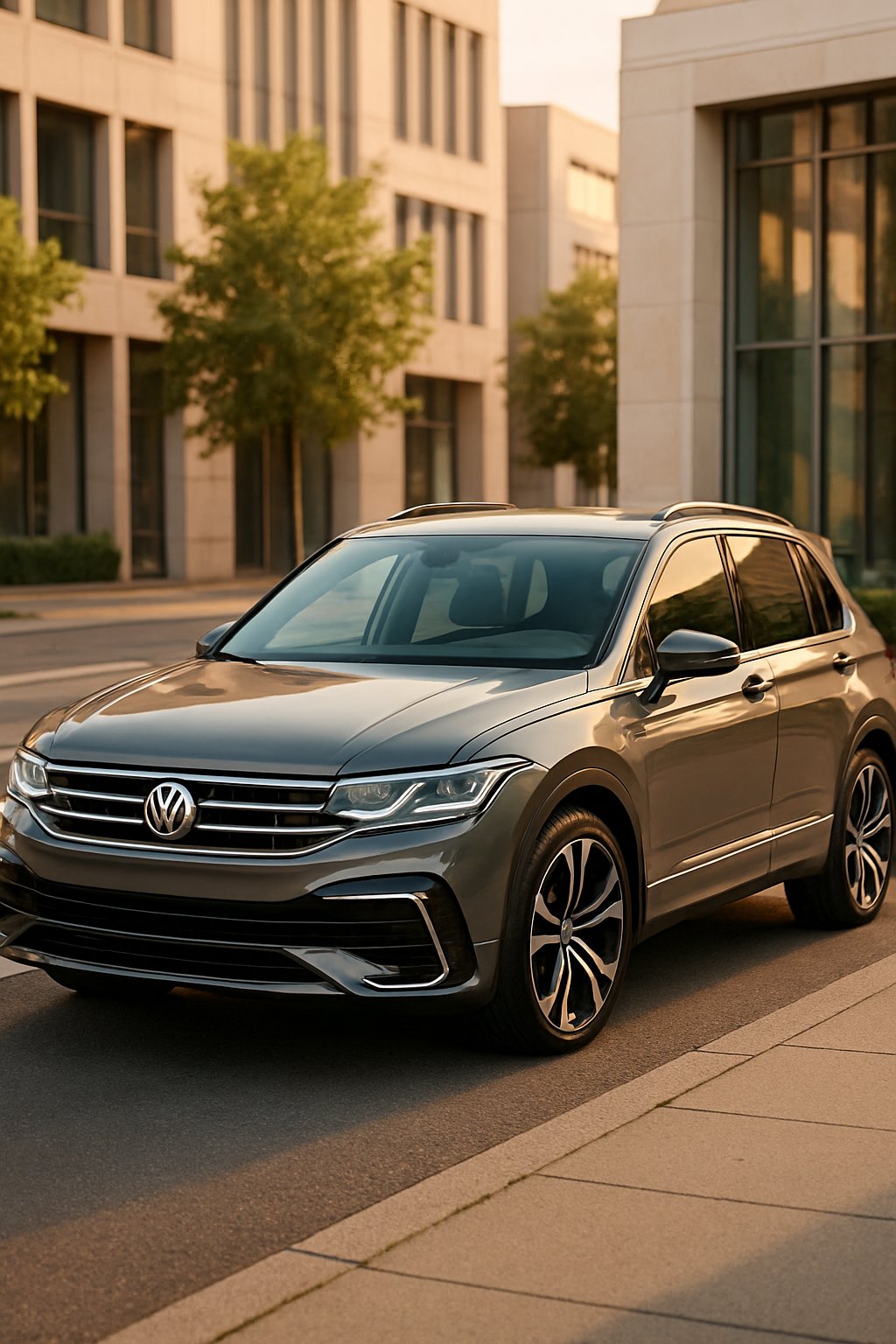
The Tiguan R-Line combines everyday usability with refined details and advanced digital equipment. It emphasizes comfort, convenience, and safety while offering modern connectivity and thoughtful interior design suited to daily driving and longer trips alike.
Standard and Premium Features
The 2025 Tiguan R-Line includes a 2.0-liter turbocharged engine, alloy wheels as large as 20 inches, and adaptive LED headlights. Its exterior design features R-Line body styling, roof rails, and privacy glass for a clean and polished look.
Inside, even the base configuration offers dual-zone or tri-zone climate control, power-adjustable driver’s seat, and a tilt/telescoping leather-wrapped steering wheel. Heated and ventilated front seats and a heated steering wheel enhance comfort in varying weather.
Convenience features include power windows, a push-button engine start, remote engine start, and a powered tailgate. Safety and security are supported by an alarm system, adaptive headlights, and a range of driver assistance systems. Higher trims gain premium leather upholstery, ambient interior lighting, and massage seat functions to reinforce the model’s upscale positioning.
| Feature Type | Examples |
|---|---|
| Comfort | Heated front seats, ventilated seats, massaging options |
| Convenience | Push-button start, remote start, powered tailgate |
| Safety | Adaptive headlights, lane-keep assist, blind-spot monitoring |
Infotainment and Connectivity
The R-Line’s infotainment system uses a 12.9-inch or 15-inch touchscreen monitor depending on configuration. Core functions include Bluetooth wireless technology, voice recognition, and smartphone interface support through Apple CarPlay and Android Auto.
Built-in USB ports, an iPod interface, and Bluetooth streaming audio allow easy playback from multiple sources. Some models also include satellite radio and internet access for streaming and navigation updates.
A digital instrument cluster complements the central display with clear graphics and multiple views for driver information. Steering wheel controls simplify access to media and hands-free phone calls without distraction. Together, these systems make the R-Line cabin more intuitive and connected.
Interior Amenities and Comfort
Cabin design focuses on quietness and high material quality. The folding rear seat expands cargo space while keeping seating practical for family use. Leather-trimmed surfaces, soft-touch panels, and accent stitching create a refined feel.
A panorama moon roof or sun roof fills the cabin with light, and ambient lighting improves visibility at night. Dual wireless charging pads, 12V power outlets, and multiple storage areas add convenience for daily use.
Climate and comfort systems include rear window defroster, tri-zone control, and precise air vents for all passengers. Combined with ventilated seating and adjustable support, the Tiguan R-Line interior focuses on keeping occupants comfortable in all seasons.
Safety and Driver Assistance
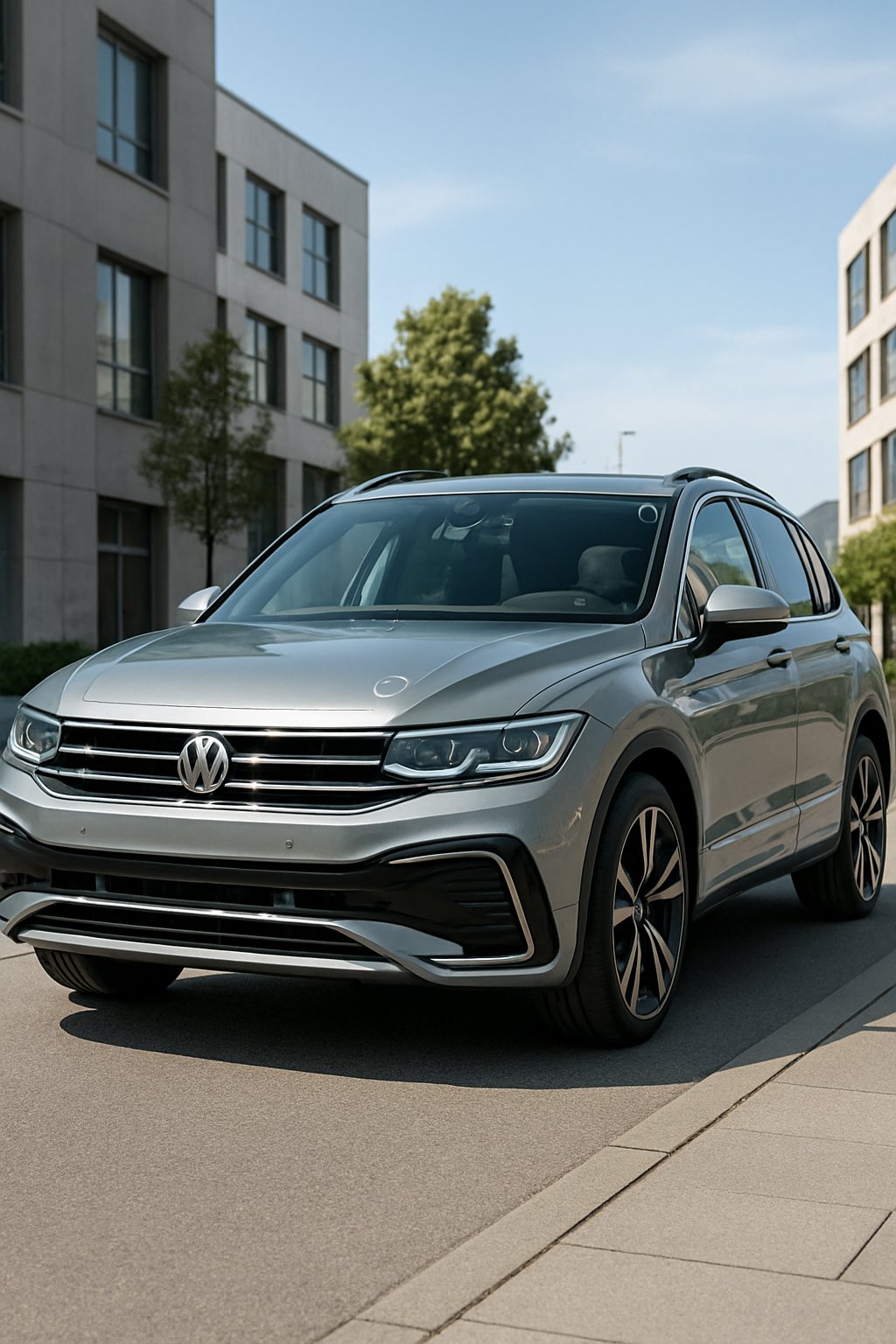
Volkswagen built the Tiguan R-Line with a strong focus on occupant protection and technology designed to prevent accidents. The model combines traditional safety systems with modern driver-assist tools to improve awareness, stability, and control in daily driving.
Comprehensive Safety Features
The Tiguan R-Line includes a range of active and passive safety features designed to protect passengers in different driving conditions. Standard equipment includes front and rear parking sensors, stability control, and traction control, which help maintain balance and grip on various surfaces.
Airbags are extensive. The cabin includes driver and passenger airbags, front side airbags, and front and rear head curtain airbags for full seating protection. For families, child door locks and child seat anchors (LATCH system) help secure younger passengers safely.
Hill start assist prevents rollback on inclines, while hill descent control manages downhill speed on steep terrain. The vehicle’s rigid body structure and crumple zones further reduce crash impact, showing Volkswagen’s emphasis on safety engineering.
| Key Safety Features | Standard on R-Line |
|---|---|
| Driver and passenger airbags | ✅ |
| Traction and stability control | ✅ |
| Hill start and descent assist | ✅ |
| Rear parking sensors | ✅ |
Advanced Driver-Assistance Systems
Tiguan R-Line’s driver-assistance technologies aim to reduce errors and support the driver in complex traffic. The blind-spot alert monitors adjacent lanes, while the lane departure warning system helps keep the vehicle centered by detecting unintentional drift.
A collision warning system paired with automatic braking can slow or stop the car to lessen crash severity. The pedestrian detection system uses sensors to identify people ahead, applying the brakes if the driver fails to react quickly.
Adaptive cruise control maintains a set distance from the vehicle in front, adjusting speed automatically for smoother highway driving. Combined with features like stability control and traction management, these systems allow the Tiguan R-Line to handle distractions and unexpected road events with greater safety and confidence.
Frequently Asked Questions
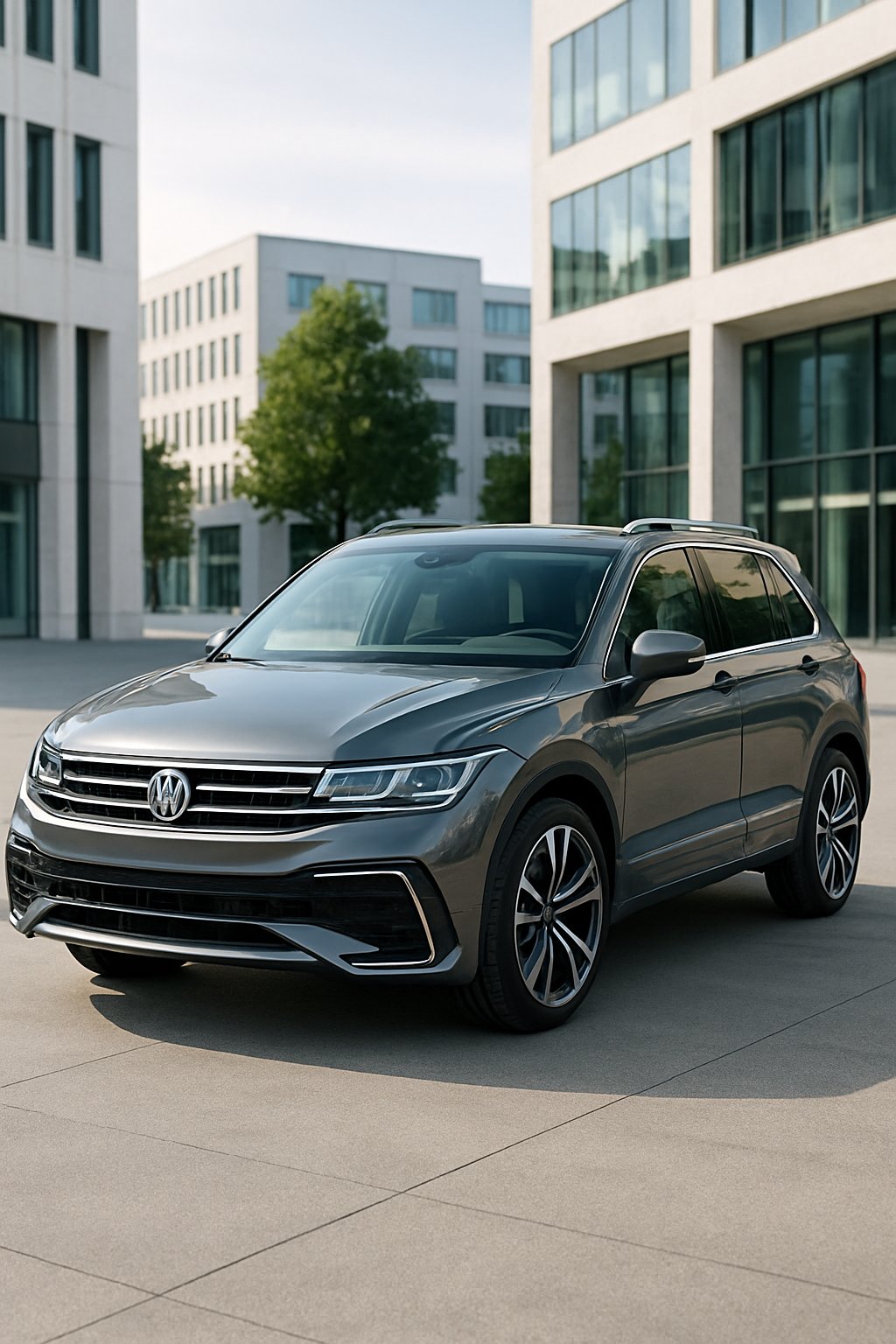
The Volkswagen Tiguan R-Line combines sporty styling with premium comfort and a competitive price in the compact SUV segment. Models vary in cost depending on region, trim, and year, but the R-Line typically sits near the top of the Tiguan lineup for both new and used markets.
How much does a new Volkswagen Tiguan R-Line cost?
In 2025, the Tiguan R-Line starts around $38,000 in the United States, €36,000 in Europe, and ₹45–49 lakh in India before taxes. Pricing changes with local features, powertrain options, and added packages.
What are the key features of the Tiguan R-Line edition?
The R-Line trim includes sport-inspired exterior styling, larger alloy wheels, and unique bumpers. Inside, it offers premium upholstery, digital displays, advanced safety systems, and a 2.0‑liter turbocharged engine with automatic transmission.
What is the price difference between the Tiguan SEL and SEL R-Line models?
The SEL R-Line usually costs more than the standard SEL trim because of design details, exclusive badging, and interior enhancements. The difference is typically a few thousand dollars, depending on market and model year.
Can you provide the starting price for a used Tiguan R-Line?
Used Tiguan R-Line models start near $25,000–$32,000 in most markets. Prices depend on factors such as model year, mileage, and condition. Older versions often remain higher in value due to reliable performance and strong demand.
What upgrades come with the 2025 Tiguan R-Line version?
The 2025 model adds updated interior materials, a revised infotainment interface, and improved driver-assistance technology. The powertrain continues to feature a 2.0‑liter turbo engine, tuned for smoother output and better fuel economy.
Is there a significant price increase for the 2025 model of the Tiguan R-Line?
There is a modest increase compared to the prior year, reflecting new technology and upgraded finishes. While the price rise is noticeable, it remains within the same general range as other premium compact SUVs in its class.

![Volkswagen Radiator Fan Not Working: [You Should Try This]](https://volkswagenbuddy.com/wp-content/uploads/2024/02/volkswagen-radiator-fan-not-working-you-should-try-this_465-768x531.jpg)
![Are Volkswagen Jetta Reliable: [Find Out]](https://volkswagenbuddy.com/wp-content/uploads/2024/02/are-volkswagen-jetta-reliable-find-out_1858-768x531.jpg)
![How To Connect Bluetooth Volkswagen Jetta 2012 [Explained]](https://volkswagenbuddy.com/wp-content/uploads/2024/02/how-to-connect-bluetooth-volkswagen-jetta-2012-explained_1620-768x531.jpg)
![How Many Miles Will A Volkswagen Jetta Last [Answered]](https://volkswagenbuddy.com/wp-content/uploads/2024/02/how-many-miles-will-a-volkswagen-jetta-last-answered_1603-768x531.jpg)
![How To Connect Bluetooth Volkswagen Jetta 2012: [Get Answer]](https://volkswagenbuddy.com/wp-content/uploads/2024/02/how-to-connect-bluetooth-volkswagen-jetta-2012-get-answer_1880-768x531.jpg)
![Volkswagen Fuel Gauge Not Working: [Causes & Proven Fixes]](https://volkswagenbuddy.com/wp-content/uploads/2024/02/volkswagen-fuel-gauge-not-working-causes-proven-fixes_158-768x531.jpg)